
Close Menu
  • Home
  • Toddler Activities
  • Trending
  • News
  • Privacy
  • Contact
  • About
  • Disclaimer
  • TOS
What's Hot

How Screen Exposure at Age 1 Year Permanently Shifts the Academic Performance Curve

August 5, 2026

The GUSTO Study’s Scariest Finding , Why Age 1 is the Ultimate Sensitive Window for Screen Damage

August 5, 2026

Why Sweden’s Public Health Agency Thinks Your Phone Habit is Making Your Toddler Unhappy

August 5, 2026
ToddlyfunToddlyfun
  • Home
  • Toddler Activities
  • Trending
  • News
  • Privacy
  • Contact
  • About
  • Disclaimer
  • TOS
ToddlyfunToddlyfun
Home » Why the “Lilypad” Tablet in Toy Story 5 is Every Parent’s Worst Nightmare
Trending

Why the “Lilypad” Tablet in Toy Story 5 is Every Parent’s Worst Nightmare

Clara WatsonBy Clara WatsonAugust 3, 2026No Comments4 Mins Read
Facebook Twitter LinkedIn Telegram Pinterest Tumblr Reddit WhatsApp Email
Why the "Lilypad" Tablet in Toy Story 5 is Every Parent's Worst Nightmare
Share
Facebook Twitter LinkedIn Pinterest Email

Pixar has always been adept at making grownups cry over items that appear to be intended for younger audiences. The scene with the incinerator in Toy Story 3. Up’s opening montage. The scene in Inside Out where Riley’s imaginary companion disappears since she is too old to require him. These are movies that pretend to be kid-friendly while actually achieving something far more intricate. Toy Story 5 seems to be going for the same goal, and it has discovered a villain that doesn’t require a lengthy backstory or a threatening voice. It’s a tablet.

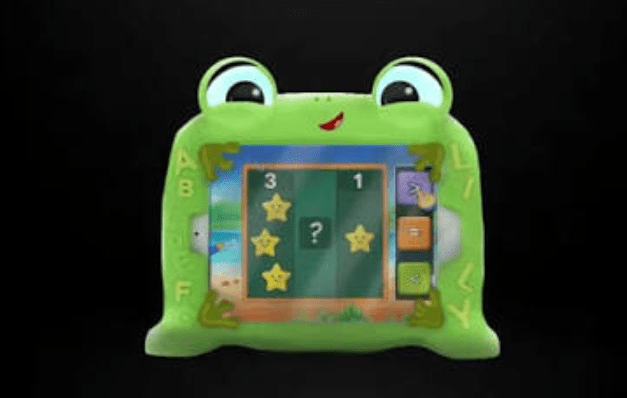
Eight-year-old Bonnie, who inherited Andy’s toys at the end of Toy Story 3, is pulled away from Jessie, Buzz Lightyear, and the rest of the toy cast by the Lilypad. Unlike Lotso, it isn’t portrayed as malicious. In the sense of an animated antagonist, it doesn’t plot or control. It’s simply more fascinating than the alternative, but it does something more familiar and, for parents in the audience, much more troubling. The Lilypad’s offerings are far superior to the toys. The toys are aware of this. The movie is aware of this. Every parent who is watching is aware of it as well.

The tale becomes acute in the social isolation thread. Instead than playing with toys, Bonnie is using the tablet to navigate peer dynamics. Not having the latest digital trend, not being part of conversations that place online, feeling excluded from something her friends are all engaged in. This is the same concern that real-life parents of school-age children report, the kind that makes restricting screen time seem not only uncomfortable but also socially significant for the child. Pixar has managed to depict that tension in a way that both an eight-year-old and a parent seated next to them can feel at the same time.

The Lilypad functions as a narrative device since it is not a passive object. Tablets don’t wait for kids to approach them. They give notice. They provide suggestions. By creating what child development researchers refer to as dopamine loops—feedback cycles that make putting down the device feel like a loss rather than a neutral act—they reward involvement with greater engagement. Jessie can remain on a shelf for a very long time. That kind of inattention is precisely what the Lilypad’s mechanisms are meant to prevent. The Lilypad is not subject to the same rules as the toys.

Parents’ reactions to the movie have been sharply split, which speaks to a reality of the screen time controversy. The Lilypad plot has been described by many parents as being almost uncomfortably realistic, reflecting everyday life at home when a gadget is vying for their child’s attention along with everything else. Others have objected, pointing out that tablets are also tools, that some kids with communication issues use them in ways that wooden blocks and action figures can’t replace, and that viewing screen time as wholly detrimental ignores the complexity of how various families use technology. Both answers make sense. The movie doesn’t provide a resolution; instead, it engages with genuine tension.
Why the "Lilypad" Tablet in Toy Story 5 is Every Parent's Worst Nightmare
Why the “Lilypad” Tablet in Toy Story 5 is Every Parent’s Worst Nightmare

WALL-E’s portrayal of a passive human existence made possible by screens in Pixar’s earlier engagement with technology dependency was set far enough in a dystopian future to feel securely allegorical. The Lilypad takes place in what appears to be the present. The peer dynamics, the bedroom, and the particular texture of a child who feels excluded from society due to a gadget are all real. In many homes, it’s Tuesday night. The toys are losing ground to Toy Story 5, which turned that Tuesday night into a movie.

"Lilypad" Tablet American Academy of Pediatrics — screen time Toy Story 5 World Health Organization — screen time guidelines
Share. Facebook Twitter Pinterest LinkedIn Tumblr Telegram Email
Previous ArticleInside the GUSTO Study , The Alarming Link Between Early Screen Exposure and Future Math Scores
Next Article Why Sweden’s Helena Frielingsdorf Wants You to Put Away Your Phone Around Your Toddler
Clara Watson

Related Posts

How Screen Exposure at Age 1 Year Permanently Shifts the Academic Performance Curve

August 5, 2026

The GUSTO Study’s Scariest Finding , Why Age 1 is the Ultimate Sensitive Window for Screen Damage

August 5, 2026

Why Sweden’s Public Health Agency Thinks Your Phone Habit is Making Your Toddler Unhappy

August 5, 2026
Add A Comment

Comments are closed.

How Screen Exposure at Age 1 Year Permanently Shifts the Academic Performance Curve

Trending August 5, 2026

There is nothing concerning about a twelve-month-old sitting in front of a screen. They are…

The GUSTO Study’s Scariest Finding , Why Age 1 is the Ultimate Sensitive Window for Screen Damage

August 5, 2026

Why Sweden’s Public Health Agency Thinks Your Phone Habit is Making Your Toddler Unhappy

August 5, 2026

Why Sweden’s Public Health Agency Wants You to Hide Your Phone During Dinner Time

August 5, 2026

ToddlyFun is an educational games platform designed for preschool and pre-K learners aged 1 to 5. With game categories covering click interactions, drag-and-drop activities, swipe mechanics, and puzzles, it supports key developmental milestones including fine motor skills, color and shape recognition, and early cognitive thinking — making it an ideal classroom companion.

Top Insights

How Screen Exposure at Age 1 Year Permanently Shifts the Academic Performance Curve

August 5, 2026

The GUSTO Study’s Scariest Finding , Why Age 1 is the Ultimate Sensitive Window for Screen Damage

August 5, 2026

Why Sweden’s Public Health Agency Thinks Your Phone Habit is Making Your Toddler Unhappy

August 5, 2026

Why Sweden’s Public Health Agency Wants You to Hide Your Phone During Dinner Time

August 5, 2026

The Billion-Dollar Playpen , Inside the Pre-K Economy of Roblox and Minecraft

August 5, 2026
© 2026 ToddlyFun
  • Home
  • Toddler Activities
  • Trending
  • News
  • Privacy
  • Contact
  • About
  • Disclaimer
  • TOS

Type above and press Enter to search. Press Esc to cancel.