
Close Menu
  • Home
  • Toddler Activities
  • Trending
  • News
  • Privacy
  • Contact
  • About
  • Disclaimer
  • TOS
What's Hot

How Screen Exposure at Age 1 Year Permanently Shifts the Academic Performance Curve

August 5, 2026

The GUSTO Study’s Scariest Finding , Why Age 1 is the Ultimate Sensitive Window for Screen Damage

August 5, 2026

Why Sweden’s Public Health Agency Thinks Your Phone Habit is Making Your Toddler Unhappy

August 5, 2026
ToddlyfunToddlyfun
  • Home
  • Toddler Activities
  • Trending
  • News
  • Privacy
  • Contact
  • About
  • Disclaimer
  • TOS
ToddlyfunToddlyfun
Home » The Billion-Dollar Playpen , Inside the Pre-K Economy of Roblox and Minecraft
News

The Billion-Dollar Playpen , Inside the Pre-K Economy of Roblox and Minecraft

Clara WatsonBy Clara WatsonAugust 5, 2026Updated:August 5, 2026No Comments3 Mins Read
Facebook Twitter LinkedIn Telegram Pinterest Tumblr Reddit WhatsApp Email
The Billion-Dollar Playpen , Inside the Pre-K Economy of Roblox and Minecraft
Share
Facebook Twitter LinkedIn Pinterest Email

A seven-year-old navigates a virtual pet café she created on Roblox while sitting cross-legged on a bedroom floor with an iPad resting against a pillow. She gave it a name. It’s decorated by her. She has been updating it for the last three weekends. The Robux she used to purchase the furniture was paid for by her parents. She doesn’t fully get the economic value of Robux. It turns out that the majority of people who purchase them don’t either.

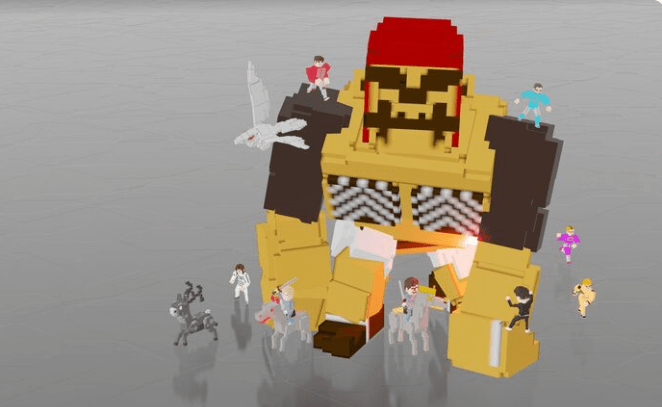
For years, Roblox and Minecraft have been referred to as games. This conceptualization is becoming more and more inadequate. These are platforms that host economies, which are systems where user-generated content is produced, shared, bought, and sometimes even turned back into actual money. This is not a modest scale. In 2024, Roblox made over 3.5 billion dollars, most of which came from microtransactions—virtual apparel, game passes, avatar accessories, and in-world enhancements bought with Robux by players who are disproportionately younger than thirteen. Despite having a different structure, the marketplace in Minecraft follows similar principles. In these settings, children are not merely having fun. They are spending money inside of them, frequently in ways that make it difficult to distinguish between digital purchases and real money.

Depending on your point of view, the economics become truly fascinating at the virtual currency layer. Robux are bought with actual money but are shown as digital tokens, which regularly lowers the emotional impact of purchases, according to consumer psychology study. The abstraction softens the transaction, so a child who might be reluctant to ask for five dollars in cash will frequently ask for Robux without the same friction. These purchases are financed by parents, sometimes without a clear image of the total amount spent across several sessions. This decrease in friction is advantageous to the platform. Thousands of young developers have created mini-games and experiences within Roblox, and when other users pay to play or engage with their material, they receive Robux.

This ecosystem’s developer side is quite amazing and intricate. Creators who fulfill the requirements can exchange their Robux earnings for real money through Roblox’s Developer Exchange program. Teenagers who have created successful small enterprises within a virtual environment targeted at younger children make up some of the platform’s top creators. In ways that are truly beneficial, the paradigm promotes technical skill development and entrepreneurship. It also calls into question whether there is enough external examination of the labor dynamics—young people creating material that stimulates engagement and expenditure for a platform that takes a large portion of the trade.
The Billion-Dollar Playpen , Inside the Pre-K Economy of Roblox and Minecraft

Over the past few years, brand integration has significantly deepened. Roblox and Minecraft’s marketplace now features branded virtual environments and limited-edition digital goods from Nike, Gucci, and major entertainment studios. When a child purchases a virtual Nike sneaker for their avatar, they are engaging in a brand experience that the company has specifically created for that demographic. This is an interactive moment that is integrated into the game they are already choosing to spend time in, rather than a traditional advertisement that they can ignore or skip. Compared to a television screen, it is harder to distinguish between play and commercial involvement here. From a brand standpoint, such ambiguity is the whole goal.

Inside the Pre-K Economy of Roblox and Minecraft Platforms subject to COPPA (U.S.) Roblox Developer Exchange (DevEx) The Billion-Dollar Playpen
Share. Facebook Twitter Pinterest LinkedIn Tumblr Telegram Email
Previous ArticleHow the GUSTO Birth Cohort Study Reframed the Screen-Time Debate for 2026
Next Article Why Sweden’s Public Health Agency Wants You to Hide Your Phone During Dinner Time
Clara Watson

Related Posts

Why Sweden’s Public Health Agency Wants You to Hide Your Phone During Dinner Time

August 5, 2026

How the GUSTO Birth Cohort Study Reframed the Screen-Time Debate for 2026

August 4, 2026

Is Your Toddler Hooked? The Warning Signs of Early Digital Dependency

August 4, 2026
Add A Comment

Comments are closed.

How Screen Exposure at Age 1 Year Permanently Shifts the Academic Performance Curve

Trending August 5, 2026

There is nothing concerning about a twelve-month-old sitting in front of a screen. They are…

The GUSTO Study’s Scariest Finding , Why Age 1 is the Ultimate Sensitive Window for Screen Damage

August 5, 2026

Why Sweden’s Public Health Agency Thinks Your Phone Habit is Making Your Toddler Unhappy

August 5, 2026

Why Sweden’s Public Health Agency Wants You to Hide Your Phone During Dinner Time

August 5, 2026

ToddlyFun is an educational games platform designed for preschool and pre-K learners aged 1 to 5. With game categories covering click interactions, drag-and-drop activities, swipe mechanics, and puzzles, it supports key developmental milestones including fine motor skills, color and shape recognition, and early cognitive thinking — making it an ideal classroom companion.

Top Insights

How Screen Exposure at Age 1 Year Permanently Shifts the Academic Performance Curve

August 5, 2026

The GUSTO Study’s Scariest Finding , Why Age 1 is the Ultimate Sensitive Window for Screen Damage

August 5, 2026

Why Sweden’s Public Health Agency Thinks Your Phone Habit is Making Your Toddler Unhappy

August 5, 2026

Why Sweden’s Public Health Agency Wants You to Hide Your Phone During Dinner Time

August 5, 2026

The Billion-Dollar Playpen , Inside the Pre-K Economy of Roblox and Minecraft

August 5, 2026
© 2026 ToddlyFun
  • Home
  • Toddler Activities
  • Trending
  • News
  • Privacy
  • Contact
  • About
  • Disclaimer
  • TOS

Type above and press Enter to search. Press Esc to cancel.