

Most parents have had that feeling: you hand your child’s phone to them in the backseat, and they start tapping away on it. In the back of your mind, you wonder, “What is my child doing on there?” There are so many apps for kids that it seems impossible to find something worthwhile for their time. Most of them are covered in bright colors and happy music that hide what’s really just a sugar-rush loop of ads and requests to spend money. Not many shows are like PBS Kids Games. Not just slightly, but really, noticeably different in a way that is hard to miss when you look closely.
The app has more than 250 games based on characters that kids already know, like Daniel Tiger, Wild Kratts, Alma, and Rosie. The lessons that go along with these games aren’t just for show. It’s real early childhood education, the kind that was made by people who have thought about what preschoolers need for decades. Reading, math, science, and social and emotional skills are all things that kids learn through play, not lessons or drills. Daniel Tiger taking care of big feelings. Elinor asks herself why she is interested in nature. It’s set up in a way that makes sense to a four-year-old while doing something important in the background.
What the app doesn’t have is also interesting. No ads. Not any in-app purchases. Not a chat feature. Not a surprise that it goes to YouTube or a store. For parents who have been burned by apps that seemed safe but were actually harmful, the fact that this one doesn’t have any predatory design is almost shocking. Common Sense Media said it was safe and good for kids, and Bark, a platform made to keep kids safe online, pointed out that it didn’t have any social or web browsing features. It’s not often that you see safety ratings with a score of 99 out of 100 from outside groups.
Not only is the support in English and Spanish useful, but it also adds something important. When PBS made the app, they kept in mind that people with less money often have easier access to mobile devices than desktop computers. In one WestEd study, more than 60% of low-income parents said they had access to a smartphone. That was important to PBS, so they made an app that didn’t need anything other than a free download. It’s important to pay attention to that choice, especially since a lot of the educational technology space quietly assumes a certain level of household spending.
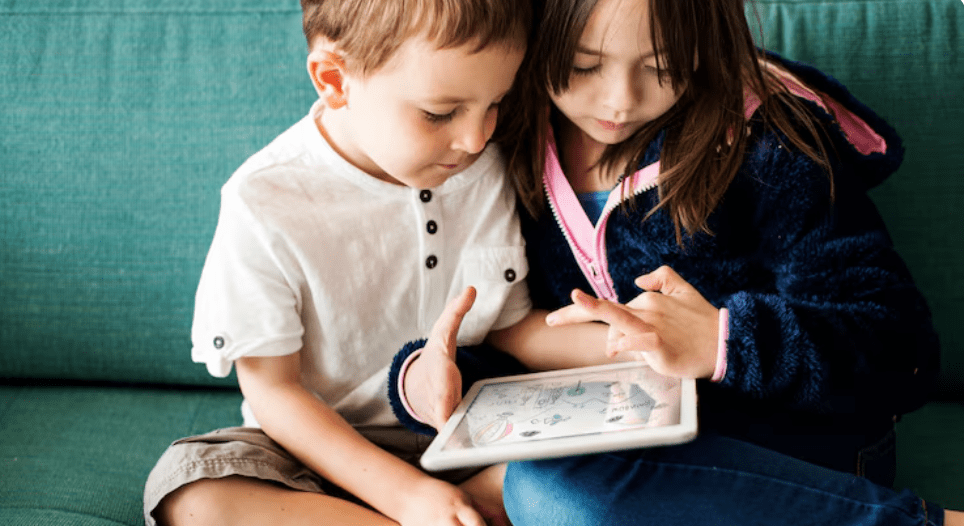
The offline download feature is also there. It may not seem like a big deal, but it is. That’s important because everyone who has ever had to watch a child on a long flight or a road trip through a dead zone knows why. The games can be played without an internet connection, which takes away another obstacle that might keep a child from doing something useful.
We should be clear about this: it’s still screen time. No app, no matter how well it’s made, can replace reading together, playing outside, or talking to someone in person. Balance has always been important. But there is a real difference between giving a child something that’s only there to get their attention and money and giving them something that’s meant to help them learn. PBS Kids Games is definitely in the second group. It builds on decades of educational shows for kids and changes them into a format that fits them where they are now.
When you look at kids’ technology as a whole, it seems like most of it sees kids as an audience to make money from instead of as minds to support. That’s not how PBS Kids Games feels. It seems like it was made by people who cared about the child on the other end of the screen. That’s not nothing in a pricey and often sour market. It’s really quite a bit.
