

That moment has happened to every parent. As soon as the tablet is taken away, the living room starts to sound like a small disaster. The whole show: screaming, crying, and jaw-dropping. In the back of your mind, there’s a voice that says, “This is what too much screen time looks like.” You feel bad about it. You’re not sure if you can take back what you did.
There are probably a lot of parents out there who feel that way right now. According to more and more researchers, it’s probably also too high.
It’s never been clear-cut or settled what to do about kids and screen time. Different studies have been saying different things for years: one says screens are about as bad for you as eating potatoes, and the other says a generation’s mental health is slowly getting worse. Since parents are in the middle, they have mostly done what parents do: they have made do, worried, and hoped for the best.
Since a while ago, Cambridge psychologist Amy Orben has been speaking out against the panic. Her point of view is worth thought. She says that screens are not made of chemicals that can be predicted and measured to change the way the brain works. She thinks that there is almost no good evidence that screen time itself hurts a lot of people. Even though it seems counterintuitive when looking at a time-limit app, what matters is what your child does on their device during those minutes, not how long they use it. As a child grows, making something, talking to a grandparent on video, and following along with a story are all very different from an hour of passive autoplay.
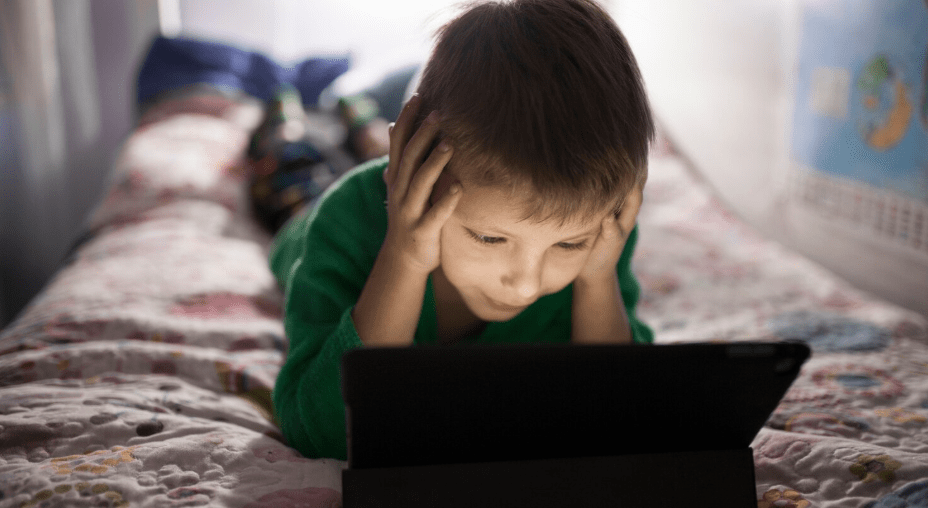
Reading through the research makes it seem like the worry about kids using screens too much has gotten a little ahead of the facts. A recent study from the University of Michigan did show that toddlers were more likely to have temper tantrums right after playing with tablets than after reading books. This is a real thing that you should know about. But the study also found that kids were just as good at working together and following directions after playing with tablets. Whether they had been on a device or reading a book, their levels of compliance and collaboration were pretty much the same. It turned out that the temper tantrum wasn’t a sign that the tablet had messed up something. It was a sign of change—being told that this fun thing is over, which is a feeling that most adults also handle badly.
In reality, that study points to something more useful than scary. Tell the kids not to use the tablet before you take it away. You can make the ending less abrupt by setting a timer. After having fun, do something fun with your kids together, like building blocks or a simple game. Something that doesn’t feel like a punishment after having fun. The temper tantrum is more about the sudden stop than the screen. That’s not a big problem. It doesn’t need guilt or limits as much as it needs a plan for the change.
It’s important to remember that the apps are partly to blame for this. A lot of the time, kids’ apps are made to keep their users’ attention by using autoplay, bright animations, and sounds that play after each tap. These aren’t features that are designed to help kids grow. They are based on metrics for engagement. Kids really do seem to be drawn to tablets; parents aren’t imagining it. That pull is there on purpose. That’s a reason to be careful about which apps you put on the device, though, not always to limit the device itself.
A lot of young kids have access to tablets and phones at home—more than 90% of them. It’s not going down. It’s not a question of whether or not kids will use screens anymore. Now the real question is what kind of experience they’re having and if the adults around them are paying attention. If you watch what your child is watching or playing, be interested in what they are doing, and sometimes sit next to them, that will help you more than any screen-time counter ever will.
The tablet is not the bad guy. It’s just a tool most of the time—a loud, colorful, and sometimes annoying one. Like a lot of parenting worries, the stress over it has probably grown bigger than the real risk.
