

Most countries that worry about kids and screens tend to worry about the kid. For how many hours do they watch? Which apps do they use? Is the tablet in the room? Sweden has been working for years to make clear rules about these very issues. But in June of this year, something changed. Stockholm turned the camera around and pointed it at the parents.
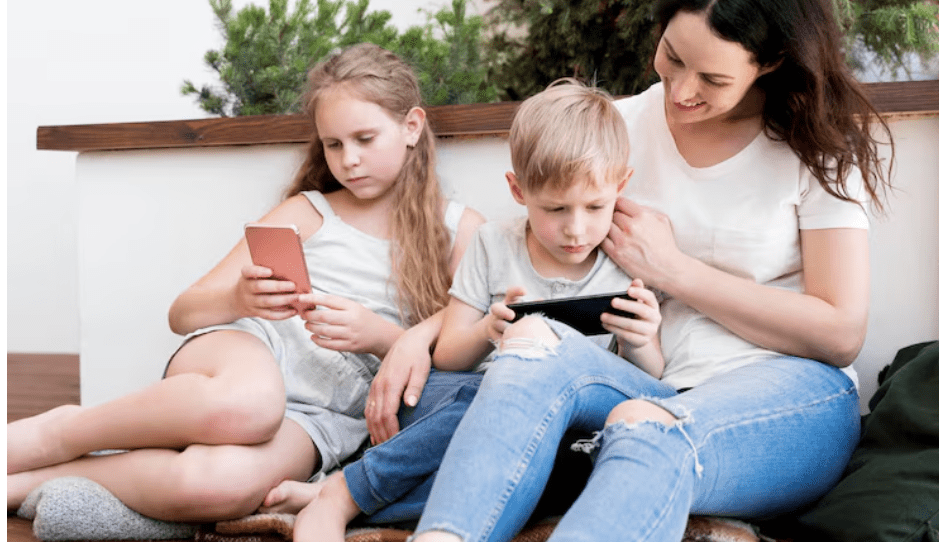
Sweden’s Public Health Agency said in new guidelines released on June 1, 2026, that adults should put away their smartphones when they are with kids. Not just as an idea. As clear instructions. Say that some parts of your home are phone-free. Don’t use your phone or tablet at the dinner table. You might want to think twice about putting that video of your three-year-old web. When you take away all the policy language, the message is almost too simple to be scary: be present.
Some parents may already know this, since most of them know how guilty it is to look at your phone while your toddler is talking. The only thing that makes this case different is that Sweden isn’t using parental guilt. The evidence is being used. A study paid for by the Swedish government found that parents who talk on the phone a lot don’t just have worse in-person interactions with their kids. For the child, it changes how they use screens over time. It turns out that kids whose parents are heavy users often become heavy users themselves.
It was made clear by Helena Frielingsdorf, a psychiatrist and researcher at the agency: what adults do as well as what they say affects children. How you frame it matters. And the conversation moves from rules and restrictions to something more uncomfortable: the idea that what you do at home might matter more than any rule made in a government office.
Swedish minister of social affairs Jakob Forssmed told the public broadcaster SVT that he doesn’t think people fully understand how much their own screen time affects kids. He might be right. For years, there has been more and more evidence, but public health campaigns have mostly focused on how kids act. Sweden’s government is one of the first to formally change the focus.
This doesn’t exist by itself. Sweden already has some of the most structured rules in the world about how kids should use technology. For kids younger than two, the rules say they shouldn’t use screens at all, and for toddlers up to age five, they can only use them for an hour a day. The country is also putting in place a national school smartphone ban that will cover students from kindergarten to ninth grade. The ban will start in the 2026–27 school year. The new suggestions for parents are part of that larger effort, but they feel like an important next step. It is against the rules to use phones in school. It’s more of a cultural shift to ask adults to look at their own habits.
The Nordic setting is important here. In Scandinavia, childhood development has long been emphasized through things like physical activity, independence, and free time outside, in ways that may seem very different from the rest of the world. But there’s also some Nordic realism at play. The advice isn’t against technology. A lot of things in Sweden are wired. The point being made is not that smartphones are bad in and of themselves. Tech should not get in the way of family time, but rather add to it.
It’s still not clear if other countries will follow Sweden’s lead. All over Europe, from Poland to the UK, people are talking about banning cell phones and social media at school. But it’s not often that parents are given advice on how to control their kids’ device use. More than just a policy ban, it asks adults to take a look at their actions and change them.
It’s interesting that a country known for its cutting-edge technology is now telling its people that the best thing a parent can do for their child is still not something that has to do with a screen. At the end of the day, Sweden’s newest advice is really old advice. That might be exactly what makes it worth hearing.
