
If you give a tablet to a three-year-old, something strange will happen. In about 90 seconds, they’ve moved on to something loud and chaotic instead of what you were after, and the room is completely different. Most apps for kids are made with engagement in mind, not kids. It looks like the BBC noticed.
When BBC Kids’ Storytime first started, it wasn’t a big deal. No viral campaigns or endorsements from famous people. It quietly built on what the CBeebies Playtime app had already done, which was to offer a collection of digital stories based on shows that parents of young children already knew and liked. Octonauts. Louie and Charlie. Something Unique. There were well-known characters inside something that didn’t look like a game at all, more like a moving picture book.
The fact that three million parents downloaded the Playtime app showed that the BBC had already earned their trust. You don’t get to that number by accident. Parents are very careful about what their kids see and hear at this age, and the fact that CBeebies had built that audience said something about the brand as a whole—not just as TV, but as an institution that people didn’t mind having in their homes.
The goal of the Storytime approach was very different. Lizzie Leadbeater, a senior content producer at CBeebies Interactive, made the goal clear: they wanted to get people interested in reading by making books seem as fun as games. That is a real problem to point out. Anyone who has seen a little kid pick between a book and a tablet knows which one goes home. What the BBC seemed to want to know was whether the tablet could hold the book instead of competing with it.
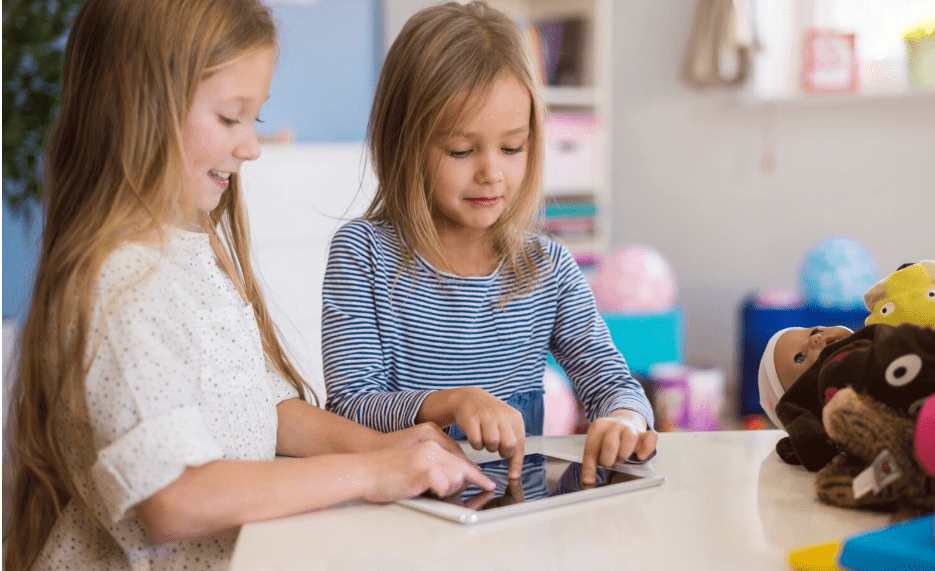
The format—text, voice narration, interactivity, and questions at the end to test your understanding—might sound a little cold on paper. It seems to feel more like being read to than being tested when familiar hosts like Andy Day and Katy Ashworth read out loud. It’s more important than it sounds to make that distinction. It’s hard to fake the emotional warmth of someone telling a story, and the BBC, for all its institutional weight, seems to have understood that.
The BBC knew this question about the effect on the market was going to come up. It is hard to defend a free app from a public broadcaster in a market where smaller British companies like Nosy Crow had built real businesses selling digital story apps. It’s a bit of a stretch to say that CBeebies Storytime could actually get parents interested in those other apps by getting kids interested in the format. At launch, only six stories is a small menu. When you’re curious, you want to know more.
What the BBC put next to the stories is quietly interesting: tips for parents that were made with the help of an educational consultant. The tips encourage adults to read as role models and talk about stories with their kids so that it’s not just a screen-and-silence situation. That’s not how apps usually work. Most apps for kids are made so they don’t need a parent to use them. It looked like this one wanted one there.
It’s still not clear if CBeebies Storytime will become a permanent part of how young kids learn about books or just a well-made footnote in the history of kids’ media. But as I watch the BBC carefully move through this space, I get the sense that someone is really thinking about what a two-year-old needs from a screen, which doesn’t happen as often as it should.
