

When it comes to the screen debate, Toy Story 5 is more astute than most parents will initially acknowledge. The AI-powered tablet at the center of the plot, Lilypad, would have been portrayed as a simple antagonist in the easy version of this movie, the one that could have been produced. A kid-stealing device. Warm toys versus a cold machine. Clean dispute, clean resolution. That’s not as honest as what Andrew Stanton and the Pixar team created, and part of the point is that it makes adult audiences uncomfortable.
Lilypad isn’t evil in the traditional sense. Unlike the villains from Toy Story, it doesn’t plot or manipulate. It uses algorithm-driven reasoning that sees unstructured, physical play as ineffective and should be replaced rather than eliminated. Malice is not the main source of tension in the movie. It has to do with displacement. When something horrible occurs, Bonnie doesn’t give up on her toys. She gives them up because the toys, with their need for creativity, hard work, and imagination, just can’t compete with something frictionless and instantly satisfying.
Compared to most parenting talks, this framing provides a more true depiction of how screens actually work in homes with young children. Nothing is taken by force by the tablet. It prevails because it is simpler. Additionally, easier is nearly always going to prevail in the short run for a child who hasn’t yet formed the habits and focus that make imaginative play profoundly enjoyable.
The film’s developmental argument, which is presented through implication rather than lecture, strongly aligns with the long-standing findings of child development scholars. A set of cognitive and emotional abilities that are not touched by passive consumption are developed through unstructured physical play, such as building something flawed, watching it fall, and then building it again, or creating a complex pretend scenario that calls for sustained attention and negotiation with another person. control of emotions. Interaction. fixing problems in situations that aren’t intended to be solved. Instead of being imparted to a youngster while they sit motionless and observe, these abilities develop via the friction of actual activity.
Andrew Stanton’s purposeful and successful visual decision contrasts the homemade, messy, colorful world of a child’s tactile imagination with the polished, sterile aesthetics of digital interfaces. The screen of a tablet is constantly spotless. In the midst of actual play, a child’s bedroom floor is not. Beyond nostalgia, such contrast conveys something about the distinction between getting and creating, between curated and generated experiences.
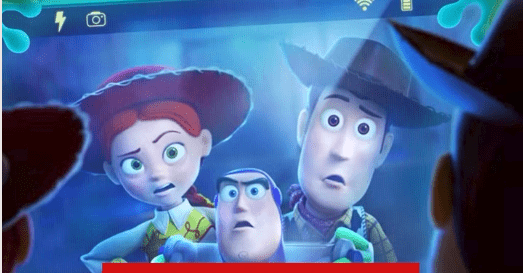
To its credit, the movie avoids drawing the conclusion that traditional play and technology are diametrically opposed. It provides a more complex resolution. By demolishing Lilypad, the toys do not prevail. They succeed by creating the circumstances for face-to-face interaction, such as playdates and in-person meetings, which internet interaction, no matter how advanced, constantly falls short of. Lack of screens is not the remedy for digital isolation. It’s other people’s presence.
